Price:
USD 1.00 - 1000.00
Product Description
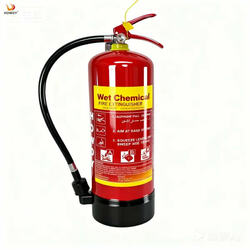
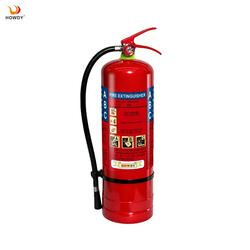
A wet chemical fire extinguisher is easily identifiable by its cream or oatmeal-colored label in the UK/EU or its yellow label with a Kin the United States. It contains a pressurized, alkaline solution, typically potassium acetate or potassium citrate, which is discharged as a fine mist to safely suppress dangerous cooking oil fires.
How Does a Wet Chemical Fire Extinguisher Work
The effectiveness of a wet chemical extinguisher lies in a two-stage attack and a unique chemical reaction:
1. Cooling: The fine mist agent cools the burning oil rapidly, reducing its temperature below the ignition point.
2. Saponification The Key Feature: This is the critical process. The alkaline chemical reacts with the hot cooking fat or oil to form a thick, soapy foam layer on the surface. This foam:
Smothers the fire by cutting off its oxygen supply.
Prevents re-ignition by creating a lasting seal over the hot oil, even after the flames are out.
What is a Wet Chemical Fire Extinguisher Used For
Wet chemical extinguishers are classified for specific fire types:
Class K Fires US / Class F Fires EU/UK:Primary Use. These are fires in commercial cooking appliances involving combustible cooking oils, animal fats, and greases. Examples include fires in deep-fat fryers, griddles, and range tops.
Class A Fires:Secondary Use. They can also be effective on fires involving ordinary combustibles like wood, paper, cloth, and plastics due to the cooling effect of the agent.
Where to Use a Wet Chemical Extinguisher
You will find these extinguishers installed in areas with high-temperature cooking equipment:
Commercial Kitchens Restaurants, Hotels, Food Trucks
Hospital and School Cafeterias
Catering Facilities
Bakeries with industrial fryers
Any location with a commercial deep-fat fryer
They are always placed near exits and within easy reach of the cooking appliances, but at a safe distance to be accessible if a fire occurs.
How to Use It: The P.A.S.S. Method
Always follow the P.A.S.S. technique for safe and effective use:
1.PULL the safety pin to break the tamper seal.
2. AIM the nozzle or hose low, at the base of the fire. Aim at the edge of a fryer to avoid splashing oil.
3. SQUEEZE the handle to release the extinguishing agent.
4. SWEEP the nozzle from side to side, covering the entire fire area. Apply the agent slowly for the saponification process to work.
What is the colour code for a wet chemical fire extinguisher
In the UK, Australia, and Europe, the body is red, but it has a cream or oatmeal-colored rectangular panel on it. In the US, it has a yellow label.
Can you use a wet chemical extinguisher on an electrical fire
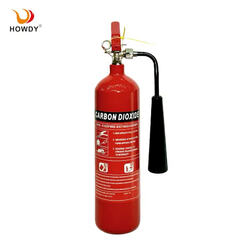
No. The agent is water-based and conductive, posing a severe risk of electric shock. For electrical fires, you should use a CO2 fire extinguisher.
What is the difference between wet chemical and dry chemical extinguishers
Wet Chemical: For Class K/F cooking oils and Class A fires. Uses a liquid agent that cools and creates a soapy foam.
Dry Chemical ABC: For Class A, B, flammable liquids, and C electrical fires. Uses a powder that interrupts the chemical reaction of the fire. It is not suitable for deep-fat fryers as it does not prevent re-ignition.
Learn about the latest products in the https://www.howdyfire.com/fire-extinguisher.html