Jiangxi Tfuer Materials Co., Ltd.
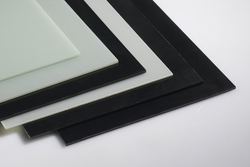
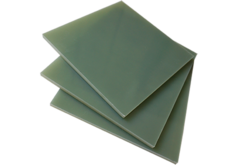
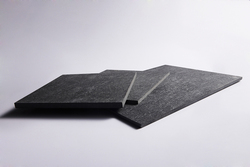
Epoxy resin fiberglass laminates FR4
Product Description
TFUER-T312 FR4
Insulating Materials
T312 is one of the most widely used materials for printed circuit boards PCBs. It is a fiberglass-reinforced epoxy resin laminate and is the standard material used for most PCBs in the electronics industry.
Key Features
Electrical Insulation: Like T311, T312 is an excellent electrical insulator, making it perfect for the production of PCBs and other electronic components that require insulating properties.
High Mechanical Strength: T312 offers good structural strength and rigidity, which helps prevent PCB warping and bending under mechanical stress.
Flame Resistance: The “FR” in FR4 stands for Flame Retardant. This means the material has a high resistance to fire, making it a safe choice for applications where fire resistance is important.
Thermal Stability: T312 can tolerate moderate temperatures usually up to around 130°C and is relatively stable under heat stress. However, it is not as heat-resistant as other materials like ceramic or metal composites.
Chemical Resistance: T312 has good resistance to most chemicals, making it suitable for use in environments where exposure to solvents, oils, or other chemicals is a concern.
Applications
Printed Circuit Boards PCBs: T312 is primarily used in PCBs due to its electrical insulating properties, strength, and thermal stability. It is the standard material for most consumer electronics.
Connector Insulation: T312 is used to insulate connectors, switches, and relays in electronic assemblies.
Electrical Enclosures: It is commonly used for electrical enclosures and insulating components in various electronic devices.
Advantage
Availability and Cost: T312 is one of the most widely available and cost-effective PCB materials, making it the go-to choice for most electronic applications.
Versatility: T312 can be manufactured with varying thicknesses and grades, providing versatility in different applications.
Ease of Processing: T312 is easy to work with during the PCB manufacturing process, allowing it to be drilled, milled, and etched easily to create detailed circuit patterns.