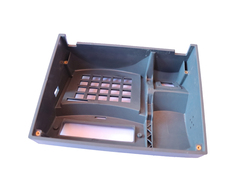
Product Description
What materials are used in injection moulding Materials used in injection moulding generally include abs molding, nylon injection molding, polycarbonate injection molding, PP injection molding, PVC injection molding, HDPE injection molding, and so on. Feel free to check out the injection moulding raw material list below.
Injection Molding Raw Material List
ABS injection molding: One thermoplastic created by the material of emulsion, with a relatively low melting temperature, and resistant to corrosive chemicals.
Common Injection Material Application: Enclosures.
Acetal POM/Delrin: One thermoplastic injection material that is resistant to liquid absorption and chemicals and used to be injection molded.
Common Injection Material Application: Bearings, bushings, dispensing components.
Acrylic PMMA molding: One transparent polymer with excellent tensile, bending strength, less cost and comparable properties to polycarbonate.
Common Application: Clear enclosures, light pipes and LED lights.
Polyethylene: This kind of plastic injection moulding raw materials has a low melting point, high impact strenth and low friction.
Common Injection Material Application: Bags, toys and electroinc insulation.
HDPE: One thermoplastic created from petrolum, with high tensile strength, high impact resistance, and a high melting point.
Common Injection Material Applications: Caps and enclosures.
Nylon molding: Plastic injection molding materials that are resistant to chemicals and stable at high temperatures, with high mechanical strength and rigidity.
Common Injection Material Application: Plastic injection molding automotive parts, gears, bushings.
Nylon 0-30% Glass-Filled: Much stiffer, greater tensile strength than standard Nylon.
Common Injection Material Application: Bearings, washers, a lightweight substitute for metals where appropriate
PEEK injection molding: Resistant to chemical, radiation and high temperature.
Common Injection Material Applications: Medical plastic injection parts, chemical processing, and aerospace parts.
Polycarbonate molding: Tough, strong, and transparent injection molding materials.
Common Injection Material Application: Automotive parts, electronic components, aerospace parts.
PC/ABS: A mixture of ABS and polycarbonate, which means to have the properties of both substrates-heat resistance and flexibility. The mixture is also easier to process during injection molding than any of the substrates.
Common Injection Material Application: Large panels, enclosures.
Polypropylene: This injection molding material has excellent chemical and electrical resistance at high temperatures.
Common Injection Material Application: Daily uses, plastic cases, medical components.
PPO: PPO plastic molding material has great electrical properties and dimensional stability.
Common Injection Material Application: Injection molding electronics components
TPE: One thermoplastic injection material can be re-melted, has the appearance and feel of a material similar to rubber. It has excellent thermal performance and stability over a wide temperature range.
Common Injection Material Application: Household appliances, automotive parts.
TPU: TPU overmolding is one elastic plastic molding material resistant to oil and abrasion.
Common Injection Material Application: Electronic parts and medical parts.
Injection Molding Materials Selection For 3D Printing
Since 3D printing is unique, a aim of chancing a perfect injection moulding raw material list to a cast, molded, or crafted material is ill- advised. Within this companion, you ’ll see some charted comparisons to traditional manufacturing styles that are intended to help position set AM material prospects for certain mechanical or physical parcels.
Generally, one or two materials used in custom injection moulding distinguish an cumulative material from all others. Feting that a many parcels will separate one material from the others, the recommended approach for opting a material for 3D printing is to first define what mechanical or physical parcels are crucial and identify critical- to- quality features. Also review the material and manufacturing options to find a fit grounded on your timeline and end- use thing.
What Plastic Is Used In Injection Moulding
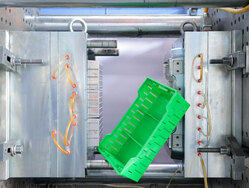
Opting a suitable material for injection moulded corridor is one of the most important aspects of any engineering product design. It's vital to consider the materials used in injection moulding selection at an early stage of product design as it impacts both part functionality and drivingcost. Plastic injection molding materials is important for producing plastic factors. The process requires an injection moulding machine, mould, and raw injection material. The injection moulding machine melts the plastic, which cools inside the mould to take the shape of the finished product.The consumption of plast