Hebei Think-Do Chemicals Co.,ltd.
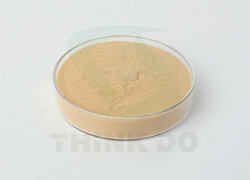
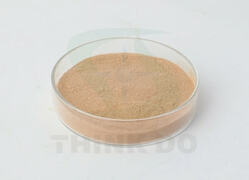
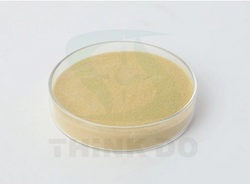
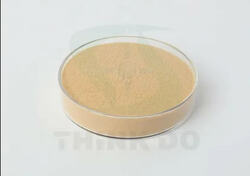
PASP K/Polyaspartic acid potassium
Price:
USD 1.00 - 1000.00
Product Description
Potassium Polyaspartate CAS 35608-40-6: Eco-Friendly Biopolymer for Agriculture, Industry, and Food – 7320-34-5346 Included
CAS 35608 40 6 and 7320-34-5346 identify potassium polyaspartate, a green and biodegradable polymer derived from polyaspartic acid. Known also as polyaspartic acid potassium salt, this innovative material combines environmental sustainability with high-performance functionality, making it an excellent choice across agricultural, industrial, and food applications.
Potassium of polyaspartic acid/Potassium polyaspartate/Polyaspartic acid potassium salt/KPA
Potassium polyaspartic acid is the potassium salt form of polyaspartic acid, which is a polymer of amino acids containing a large number of amide bonds and carboxyl groups in its molecular chain. These functional groups endow potassium polyaspartic acid with unique chemical properties, which have good water solubility and can quickly dissolve in water to form a clear solution.
The characteristics of its molecular structure make it biocompatible and biodegradable. In natural environments, potassium polyaspartic acid can gradually decompose into small molecules that are harmless to the environment, without causing long-term environmental pollution like some traditional chemically synthesized polymers.
What Is Potassium Polyaspartate
Potassium polyaspartate is the potassium salt form of polyaspartic acid, composed of amino acid-derived polymers rich in amide bonds and carboxyl groups. These functional groups allow it to dissolve easily in water, forming a clear, stable solution.
More importantly, this compound—also referred to as potassium of polyaspartic acid, KPA, or polyaspartic acid potassium salt—is both biocompatible and biodegradable. Unlike traditional synthetic polymers, it decomposes naturally into harmless small molecules, making it a top choice in industries aiming for environmental responsibility.