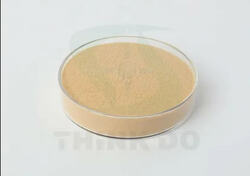
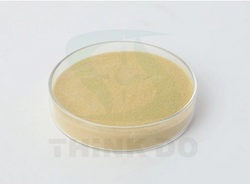
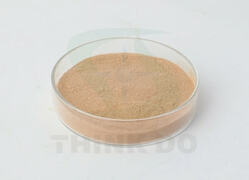
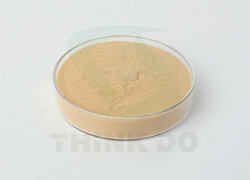
Price:
USD 1.00 - 1000.00
Product Description
Polyaspartic Acid Sodium Salt CAS 181828-06-8: A Green, Biodegradable Solution for Modern Industry
CAS 181828-06-8, also known as polyaspartic acid sodium salt, is a biodegradable, non-toxic, and eco-friendly water-soluble polymer widely recognized for its versatility and environmental benefits. Derived from natural amino acid aspartic acid, this sustainable chemical—also referred to as sodium polyaspartate, PASP-Na, and sodium of polyaspartic acid—is designed for multi-industry use ranging from water treatment to agriculture, personal care, and detergents.
Sodium Polyaspartate/PASP/PASP-Na/Sodium of Polyaspartic acid/Polyaspartic Acid Sodium Salt
Sodium of polyaspartic acid is a water-soluble polymer synthesized by artificial biomimetic methods. It is an excellent biodegradable polymer with the characteristics of no phosphorus, no toxicity, no pollution, and complete biodegradability. It is an internationally recognized green chemical. It originates from the natural amino acid aspartic acid, and due to its structural characteristics of containing active groups such as peptide bonds and carboxyl groups, it has strong chelation, dispersion, adsorption, and excellent compatibility. Widely used as a fertilizer enhancer; Scale and corrosion inhibitors are used in water treatment fields such as industrial cooling circulating water, reverse osmosis water, oilfield reinjection water, metal cutting fluid, boilers, and steam pipelines; Can be used as a dispersant in the papermaking, printing and dyeing, and washing industries; In the field of daily chemical products.
What Is Polyaspartic Acid Sodium Salt
Polyaspartic acid sodium salt is synthesized using artificial biomimetic methods to mimic biological polymerization. With no phosphorus, no pollution, and complete biodegradability, it is classified as a “green chemical” and is approved for industrial and consumer applications. The chemical structure contains active peptide bonds and carboxyl groups, enabling strong chelation, dispersion, and adsorption properties.
This highly efficient material is registered under CAS 181828-06-8 and demonstrates excellent compatibility in both liquid and powder forms.