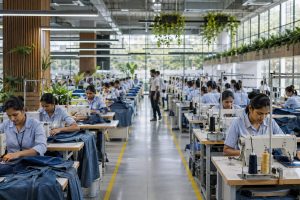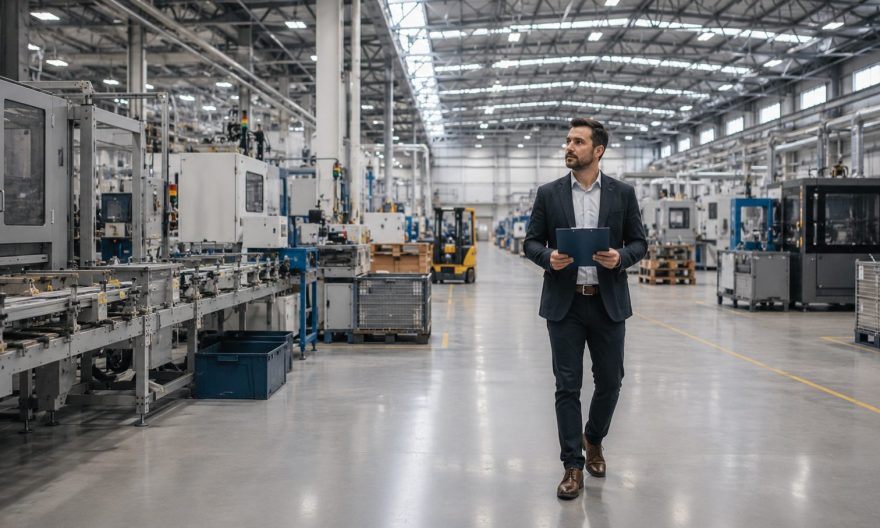
Two days ago, Keychain published data that should be on every procurement team’s radar right now. About 1 in 10 CPG factories in the United States is running more than half empty. And about 1 in 3 has at least 31% or more unused production capacity sitting idle.
That’s not a story about struggling factories. It’s a story about opportunity, and about what happens when sourcing teams know how to read the market.
Why So Much Capacity Is Sitting Empty
The short version is this: brands spent 2024 and early 2025 front-loading inventory to get ahead of tariffs. They ordered aggressively, filled warehouses, and then watched demand soften as consumers pulled back. The result is that factories that were running at full tilt two years ago are now sitting with open capacity and nowhere to put it.
Add to that the broader uncertainty around trade policy, and you have a situation where many brands are holding off on new production commitments until they have more clarity on costs. That hesitation is real, and it’s showing up directly on factory floors across the country.
What Overcapacity Actually Means for Buyers
When factories have unused capacity, the dynamic shifts. Lead times get shorter. Minimum order quantities get more flexible. Pricing conversations become more productive. Factories that are competing for production slots are simply easier to work with than factories running at 100% with a six-month backlog.
For sourcing teams evaluating new domestic or nearshore manufacturing partners, this is one of the better windows in recent memory to have those conversations. The factories are available. They want the business. And the terms are more favorable than they were when every line was full.
The categories with the most visible overcapacity right now are food and beverage, personal care, and household products. But the trend is broad enough that buyers across virtually every CPG category are finding more flexibility than they expected when they pick up the phone.
The Strategic Play for Procurement Teams Right Now
Overcapacity windows don’t last forever. When trade policy stabilizes, when inventory levels normalize, and when brands start ordering aggressively again, factory capacity fills back up quickly. The procurement teams that use this window to qualify new domestic suppliers, negotiate better terms with existing ones, and diversify their manufacturing base will be the ones with real options when the market tightens again.
The ones who wait for certainty before moving will find themselves back in a seller’s market, paying premium prices for production slots they could have locked in at a discount today.
Connect with verified manufacturers across all CPG categories and beyond at Manufacturer.com, and find the production partners who are ready to work with you right now.